25 May 2026
In Botswana, access to quality healthcare has long been recognised not just as a public service, but as a national priority. Over the years, the country has made significant investments in hospitals, clinics, and public health programs.
Across the healthcare system, from patients seeking specialist care to rural clinics managing high demand, one truth stands out: infrastructure is only part of the solution. People are at the heart of care delivery, and well-trained, dedicated doctors play a vital role in ensuring healthcare reaches citizens effectively.
This is the context in which Botswana continues to confront a familiar but urgent challenge: a shortage of medical professionals, particularly in specialised fields. While local training institutions have expanded and continue to play a critical role, they cannot, on their own, meet the growing demand driven by population needs and the dual burden of communicable and non-communicable diseases. To bridge this gap, Botswana has increasingly turned to strategic international partnerships that accelerate the training of its citizens while maintaining high standards of medical education.
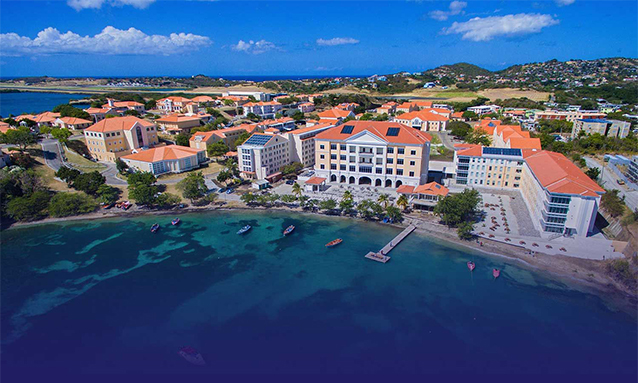
One of the most impactful of these partnerships has been with St. George’s University (SGU), a School of Medicine in Grenada, West Indies that has, over the years, become a significant contributor to Botswana’s healthcare workforce. What makes this collaboration noteworthy is not just its longevity, but its measurable outcomes. To date, SGU has contributed more than 130 doctors to Botswana’s healthcare workforce.
This statistic is more than a point of pride. It is a clear indicator of how deliberate policy, coupled with global collaboration, can produce tangible national results.one in five doctors practising in Botswana is an SGU.
Across the country, from major referral centers in Gaborone to district hospitals and community clinics, SGU-trained doctors are part of the everyday fabric of healthcare delivery. They diagnose, treat, and manage a wide range of conditions, from infectious diseases that have long shaped public health priorities to the growing burden of non-communicable illnesses such as hypertension, diabetes, and cardiovascular disease. In many cases, they are also helping to strengthen clinical standards, bringing with them exposure to best practices and modern approaches to patient care.
The strength of this model lies in how it combines global exposure with local relevance. Students from Botswana who attend medical school at SGU receive rigorous academic training alongside clinical rotations across a network of more than 75 affiliated hospitals and health systems, primarily in the United States and the United Kingdom.
These experiences allow them to work in well-resourced environments, interact with diverse patient populations, and develop clinical competencies that might otherwise take years to cultivate locally. Yet the programme’s success is not where these students train, but where they choose to serve.
Botswana has taken a deliberate approach to linking international education with domestic healthcare needs. Through structured sponsorships and return-to-service commitments, it is channeling overseas-trained talent back into the system.
Beyond physician training, SGU’s contribution to Botswana reflects the breadth of its medical education ecosystem. The University offers students access to a Doctor of Medicine (MD) programme designed to prepare graduates for practice in competitive global healthcare environments, supported by academic advising, clinical preparation, and international clinical training opportunities that strengthen readiness for modern medical practice.
For Botswana-sponsored students, this means exposure not only to global academic instruction, but to a medical education pathway built around practical, hands-on learning and real-world clinical immersion.
Dr. Phuswane, an SGU trained doctor from Botswana, said “SGU provided a holistic approach to medical training, allowing me to work in a diverse environment alongside peers from different academic backgrounds.
It strengthened my skills in new ways, and I continue to draw on that experience in my work back in Botswana.”
The impact of this model is increasingly visible in Botswana’s healthcare landscape. SGU-trained physicians are contributing across public hospitals, district facilities, and specialist settings, reinforcing the country’s capacity to deliver care across both primary and increasingly complex medical needs.
As Botswana continues investing in healthcare system strengthening, partnerships that provide access to globally benchmarked medical education will remain critical to sustaining progress. SGU’s longstanding collaboration with the country demonstrates how international institutions can support national priorities when their programmes align with local workforce needs.
More than a training provider, SGU has become an established partner in Botswana’s healthcare development journey. Its role in preparing Botswana’s future doctors underscores the measurable impact that strategic educational partnerships can have in helping countries build stronger, more capable healthcare systems.
Source: https://shorturl.at/OH5LA