31 July 2026
- Botswana is seeking Chinese investment in photovoltaic manufacturing as it expands solar generation and looks to capture more value from its renewable-energy build-out.
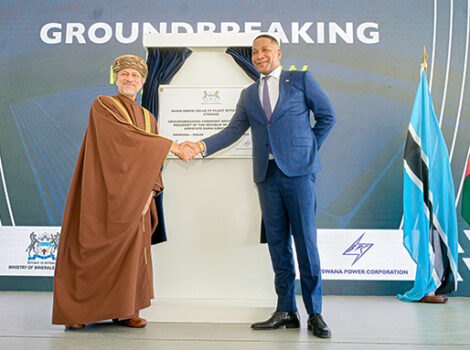
- The country is developing about 900 MW of solar PV capacity, including a 500 MW project with 500 MWh of battery storage under construction in Maun.
- Botswana currently imports solar technology, making local manufacturing a potential source of industrial jobs and value addition, although no factory investment, capacity or construction timeline has been announced.
Botswana is seeking Chinese investment in solar equipment manufacturing as the country expands renewable-energy generation and looks to develop domestic production of photovoltaic technology. During an investment-promotion mission to China in July, Botswana officials held discussions with a Chinese photovoltaic manufacturer and presented opportunities in renewable energy and industrial development, according to the country’s investment-promotion authorities.
The discussions come as Botswana develops a pipeline of large-scale solar projects. The government is constructing a 500 MW solar photovoltaic project with 500 MWh of battery storage in Maun, while additional projects under development could bring planned solar PV capacity to about 900 MW.
The expansion creates a potential domestic market for panels, batteries and other equipment used in renewable-energy projects.
Botswana’s National Energy Policy identifies solar equipment manufacturing as an opportunity for industrial development while noting that the country currently imports solar technology. The government is, therefore, seeking to connect the expansion of renewable generation with local manufacturing, including through its Special Economic Zones.
The potential investment could address two challenges simultaneously: increasing electricity supply while developing manufacturing activity around the energy transition. Botswana has historically relied on coal-fired generation and electricity imports, with government data indicating that domestic generation meets roughly 65%–70% of national electricity requirements. Increasing solar capacity could reduce the need for imported electricity while creating a larger market for equipment and services associated with renewable energy.
For Botswana, however, the industrial opportunity depends on whether manufacturing can become competitive with imported equipment. A local factory would require investment at sufficient scale, reliable electricity, technical skills, supply-chain infrastructure and access to regional markets. Botswana’s investment-promotion agencies are positioning the country as a potential production base for neighbouring Southern African markets, while its Special Economic Zones identify manufacturing and energy among priority investment sectors.
As such, the Chinese discussions are taking place as Botswana attempts to move beyond simply adding renewable-generation capacity and capture more of the economic activity created by the transition. The government has not disclosed an investment amount, planned factory capacity or construction timeline, meaning the current development represents an investment push rather than a confirmed manufacturing project.
The opportunity is particularly relevant to Botswana’s broader diversification strategy. The economy remains heavily dependent on diamonds, making the development of manufacturing and other tradable industries a policy priority.
Solar energy offers a potential route into a new industrial value chain because Botswana has high solar irradiation, available land and a growing pipeline of renewable-energy projects.
The immediate test will be whether Botswana can convert the growing demand created by its solar build-out into a viable manufacturing market. The 500 MW Maun project, together with planned developments in Maun, Letlhakane and other locations, could provide an initial market for local suppliers. But competing with established Asian manufacturers will require more than demand alone: Botswana will need to demonstrate that producing panels and related equipment locally can compete on cost, quality and reliability.
Source: https://shorturl.at/XBH7h