2 September 2026
- Botswana is tightening controls on cattle movements as it works to contain foot-and-mouth disease and restore the animal-health status required for access to export markets.
- The European Union has suspended fresh-beef imports from all Botswana zones that remained authorised to export to the bloc following FMD outbreaks in 2026.
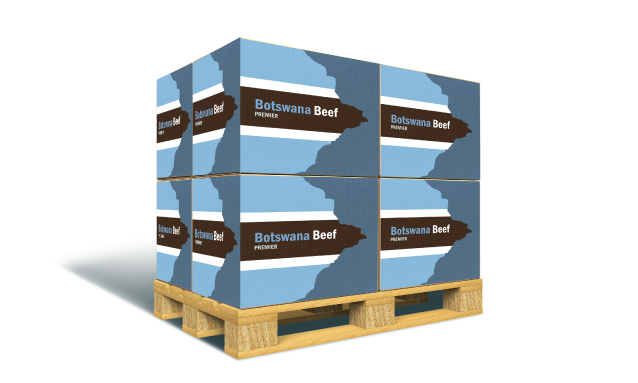
- Beef exports through the Botswana Meat Commission generated P2.36 billion between 2020 and 2025.
Botswana is tightening efforts to contain foot-and-mouth disease (FMD) as the outbreak affects access to international beef markets. Agriculture Minister Edwin Dikoloti warned farmers during a consultation meeting in Metlobo on August 31 that 54 cattle had entered an FMD containment zone while authorities were working to control the outbreak. The warning follows restrictions imposed on Botswana’s beef exports after FMD outbreaks during the first months of 2026.
The European Commission first restricted fresh-beef imports from Botswana’s affected Maitengwe area in February.
The restrictions were subsequently expanded after another outbreak was confirmed in the Southern District in April, eventually covering all Botswana zones that remained authorised to export fresh meat to the European Union.
The World Organisation for Animal Health (WOAH) also suspended the FMD-free status of several of Botswana’s disease-control zones from March 31. Disease status is one of the factors importing countries and markets use in determining access for livestock products.
Between 2020 and 2025, beef exports through the Botswana Meat Commission generated approximately P2.36 billion, according to the Ministry of Lands and Agriculture.
The EU restrictions have also created challenges for Botswana’s existing export infrastructure. The country’s only EU-listed slaughterhouse is located in a zone affected by the outbreak. EU animal-health rules also regulate the movement of animals and products between areas with different disease statuses, affecting the options available for maintaining export supply from unaffected zones.
The government’s concern about cattle entering containment areas is therefore directly linked to disease-control measures. Unauthorised livestock movements can affect efforts to contain an outbreak and conduct the surveillance required to determine the disease situation in affected areas.
Botswana’s outbreak is part of a wider occurrence of the SAT 1 serotype in Southern Africa. Botswana, Lesotho, Eswatini, Zambia and Zimbabwe reported FMD outbreaks during 2026, according to WOAH.
Official trade data also indicate the wider role of livestock products in Botswana’s external trade. Meat and meat-product exports were valued at P404 million in 2024, compared with P312 million in 2023. Live cattle exports generated a further P523 million in 2024, down from P648 million a year earlier.
Agriculture accounted for approximately 1.7% of Botswana’s GDP in 2023, while agricultural products represented 1.1% of total exports in 2024, according to official data.
By Cynthia Ebot Takang
Source: https://shorturl.at/eJk0Y