
13 January 2026
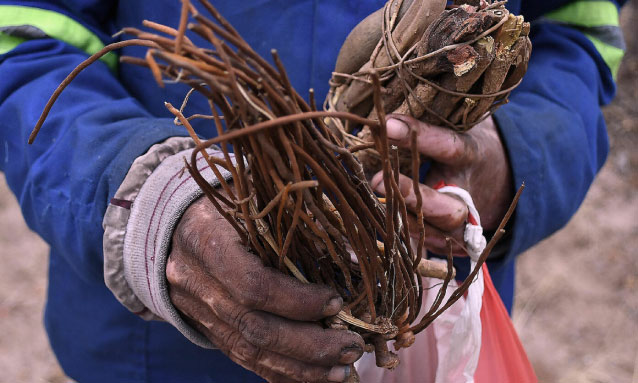
When clinic shelves lie bare and prescriptions cannot be filled, some Batswana are finding comfort not in pharmacies, but in leaves once boiled by grandmothers, roots crushed by elders, and remedies passed down quietly through generations.
Medicine shortages, now affecting hospitals across the country, have forced communities to confront a reality that is both frustrating and familiar. For some, it is not a crisis so much as a reminder.
“This problem is not new,” said Mompati Chaba, reflecting on years of public meetings where residents raised concerns about the unavailability of medication. He said even back then, people would ask at Kgotla meetings who was responsible when drugs were out of stock.
“It has always been there; it has just become more intense.”
As public hospitals report intermittent shortages of essential drugs, from painkillers and antibiotics to chronic disease medication, the Ministry of Health has cited global supply chain disruptions and procurement delays as contributing factors. Across Gaborone and beyond, a quiet shift is taking place. Herbs once dismissed as old-fashioned are being rediscovered, not only out of necessity, but out of renewed cultural pride.
“I have gone back to using Mosukujane and Lengana for flu and headache. Our grandparents relied on these herbs long before pharmacies existed and they knew what they were doing,” said Sheris Moyo, a Block 9 resident.
Sheris recalls a time back in her home village in the North East, when nature was the medicine cabinet.
“Pepperiboom was everywhere. People knew it helped with flu, blocked noses and acne. Some used it as a humidifier to ward off flu symptoms,” she said.
Beyond illness, these practices were part of daily care. Steaming was believed to promote healthy skin, while elders used simple water-based remedies to soothe children’s stomach aches and restore appetite.
“There was wisdom in how they cared for children. Medicine was not always necessary,” Sheris said.
That wisdom is now resurfacing in unexpected places including shopping malls. At Gaborone’s Main Mall, herbal vendors say business has steadily grown in recent months. Customers arrive with ailments both small and serious, asking for relief where conventional medicine has failed them.
“People are looking for help with everything, from stomach pain to high blood pressure. We make sure the herbs are clean and safe. This is our culture. We are helping people in the best way we know,“ said Garebone Basele, who sells locally sourced herbal mixtures
At BBS Mall, Earth Herbs has become the go-to place for those seeking organic alternatives. Sales representative Nametso Monageng carefully arranges jars of dried leaves and roots as she explains their approach.
“We select and categorise herbs for different needs, for children, men and women. Everything is locally grown, organic and free from GMOs and MSGs,” she said.
Customers return often, many sharing stories of improvement. Some even bring medical reports, allowing progress to be tracked alongside conventional treatment. One such customer, Kaelo Kaelo, said herbs have become a seasonal staple in his household.
“Since COVID-19, I buy flu herbs every winter,” he said.
He said this helped him and his children stay safe from the flu during winter season. Nearby, Chenvula Sametsi credits herbal remedies for easing the hot flushes brought on by peri-menopause.
“Since taking the combination, I feel much better,” she said.
For many, this return to herbs is not just about health, it is about identity.
“We are rediscovering who we are. These herbs are part of our heritage. In times like this, they remind us that we are resilient,” said Kabelo Masigo of Bontleng.
Kabelo believes blending tradition with modern healthcare is not a step backwards, but a step towards balance. He encourages people to use common, non-spiritual herbs found in shops such as basil for inflammation, turmeric for joints, ginger for nausea, and everyday remedies like cloves, guava leaves, aloe vera and moringa.
“Even social media is helping.People are learning again , on TikTok, on Facebook , what our grandparents already knew.”
Retired midwife Nametso Tumagole cautions that while traditional medicine has its place, it must be used responsibly.
“Some herbs have real benefits,” she said, “but others can interfere with prescribed medication or cause harm if misused.”
She stressed that traditional remedies should complement, not replace, modern medicine and urged patients to consult qualified practitioners before using herbal treatments.
Source: https://shorturl.at/D4HAe