
Botswana’s Economy at a Crossroads
Botswana’s economy has long been built on diamonds – but that model is under increasing pressure. As global demand fluctuates and synthetic alternatives emerge, the real question is no longer if Botswana should diversify, but how.
The mineral sector contributes a significant portion of government revenue, making the country highly sensitive to downturns in diamond sales. While diversification is often discussed, the challenge goes deeper than economics. Botswana doesn’t just face a diversification problem – it faces a positioning problem.
Why Botswana Needs Economic Diversification
For decades, diamonds have been the backbone of Botswana’s economic success. This reliance has delivered stability and growth, but it also creates vulnerability. When one industry dominates economic shocks become more severe, job creation is limited to specific sectors, and long-term growth becomes constrained.
Diversification is not simply about adding new industries. It’s about building a balanced and resilient economy that can adapt to global change.
What Is Botswana Known For? A Branding Challenge
One of Botswana’s biggest challenges is global visibility. Many countries benefit from strong international associations:
- Asian economies are often linked to technology and manufacturing
- Middle Eastern nations are associated with oil
- East African countries are known for safari tourism
Botswana, despite its stability and natural beauty, remains relatively under the radar. Even iconic destinations like the Okavango Delta may not be as widely recognised globally as comparable attractions elsewhere in Africa. Does a wider global audience know the Okavango Delta is located in Botswana? I’ve watched a number of wildlife documentaries that were filmed in the Okavango Delta and the Moremi and Chobe Game Reserves. In most cases the area where they are filming is identified, but the name ‘Botswana’ is not always mentioned, if at all. This highlights a key issue – Botswana lacks a clearly defined global brand identity.
Botswana Tourism Industry: Beyond Luxury Safaris
Botswana’s tourism industry is built on a high-value, low-volume model, offering premium safari experiences. This approach has helped preserve natural ecosystems and position the country as an exclusive destination. However, it also limits market reach. Is There a Market Beyond Safaris? Yes – absolutely. Global tourism demand spans multiple segments:
- Budget and mid-range travel
- Cultural and heritage tourism
- Entertainment and leisure experiences


Countries that succeed in tourism rarely rely on a single offering. There are opportunities for tourism growth in Botswana by perhaps expanding its appeal by developing mid-range safari options, cultural tourism experiences, national travel circuits, and innovative concepts such as rail tourism.


There is clear evidence that international travellers are willing to visit Africa in large numbers. Countries like South Africa attract hundreds of thousands of visitors annually from markets such as the UK alone. Botswana attracts significantly fewer. The demand exists – the opportunity lies in broadening the offering.
Lessons from Global Tourism Markets
Tourism success is not always dependent on climate or geography. The United Kingdom, for example, attracts millions of visitors each year despite not being known for its weather. Its strength lies in a variety of attractions, strong cultural identity, and accessibility and infrastructure.




Botswana has the potential to build a similarly diverse tourism ecosystem – one that complements its natural assets rather than relying solely on them.
Botswana Beef Export: A Missed Branding Opportunity
Botswana’s beef industry is a major economic contributor, known for free-range farming, grass-fed cattle and high-quality production standards. Despite this, Botswana beef lacks strong international brand recognition.
In comparison, New Zealand has successfully positioned its lamb as a premium global product, combining quality with strategic branding. Botswana has similar fundamentals but operates largely as a commodity exporter rather than a branded producer.


There are other opportunities in Agriculture. Beyond beef exports, there is potential to expand into:
- Dairy production (milk, cheese, yoghurt)
- Processed food products
- Premium branded goods for global markets
The resources already exist. The opportunity lies in value addition and brand development.
Synthetic Diamonds: Threat or Opportunity?
The rise of synthetic diamonds is reshaping the global market. Rather than viewing this purely as a threat, it presents a strategic question – Could Botswana participate in both natural and synthetic diamond markets? Early investment or partnerships in synthetic production could allow Botswana to diversify within the same industry, capture new market segments and future-proof its diamond sector.
Adapting to change is often more effective than resisting it.
The Real Challenge: Mindset and Innovation
Economic diversification requires more than ideas – it requires execution. This includes investment in new industries, access to proven expertise and a willingness to embrace change.
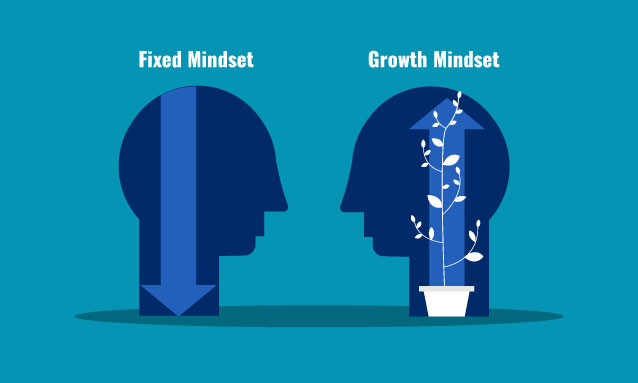
Like many economies built on strong primary industries, Botswana faces the risk of complacency. Maintaining the status quo is easier, but it limits long-term progress. Innovation, by contrast, requires discomfort – but it also creates opportunity.
Conclusion: Building Botswana’s Future Beyond Diamonds
Botswana is not short of opportunities. It has world-class tourism assets, high-quality agricultural products and a stable economic foundation. What it lacks is a clearly defined identity beyond diamonds. Diversification is not just an economic necessity – it is a strategic opportunity to redefine how Botswana is perceived globally.
The future of Botswana’s economy will not be determined solely by what it produces, but by how effectively it positions, develops, and markets its potential to the world.
—————
Article by Gary Ashworth
You may also be interested in: