5 November 2026
- Botswana has transferred the Education Infrastructure and Management Company (EIMC) from the Ministry of Child Welfare and Basic Education to the Ministry of Transport and Infrastructure.
- The state-owned company will retain its mandate to develop, modernise, digitalise and maintain public-school facilities.
- The transfer comes as Botswana faces a substantial school maintenance backlog, with nearly 75% of junior secondary schools requiring urgent infrastructure repairs, according to a 2024 assessment.
Botswana has transferred its state-owned school infrastructure company to the Ministry of Transport and Infrastructure, bringing responsibility for overseeing its operations under the government department responsible for national infrastructure.
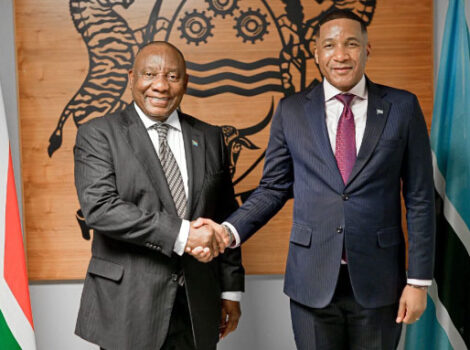
The Education Infrastructure and Management Company (EIMC) announced the transfer on November 2, 2026. Previously overseen by the Ministry of Child Welfare and Basic Education, the company said the new arrangement would strengthen technical collaboration and improve infrastructure delivery without changing its mandate.
Transport and Infrastructure Minister Keagile Atamelang said the ministry would work with relevant stakeholders and the former shareholder ministry to ensure a smooth handover and avoid disruptions to ongoing projects, including the refurbishment of 22 public schools.
The 265 million pula refurbishment programme, launched in August 2026, is scheduled to run through March 2027.
Deputy Permanent Secretary to the President Omphile Sehurutshe said the transition would clarify responsibilities among the shareholder ministry, EIMC and the ministries responsible for education-sector outcomes.
EIMC Board Chairperson Tebogo Sebego said the new arrangement would provide an opportunity to improve infrastructure delivery and technical collaboration. The company’s board and management, together with officials from both ministries, are expected to oversee the transition through change-management committees.
School infrastructure backlog
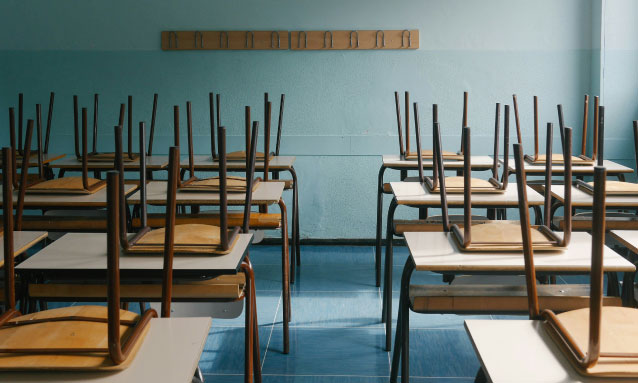
The transfer comes as Botswana faces widespread deterioration of public-school infrastructure.
A 2024 national assessment by the Ministry of Child Welfare and Basic Education found that nearly 75% of junior secondary schools had classrooms, laboratories, sanitation facilities, kitchens or water and sewerage systems in poor condition, requiring urgent attention, according to the World Bank.
The World Bank identified inadequate maintenance systems, school vandalism and high construction and repair costs among the factors contributing to the deterioration. It also found that infrastructure expansion had not kept pace with demand in parts of the secondary education system.
Established in December 2025, EIMC was created as a government-owned company to centralise the development, modernisation and maintenance of public education infrastructure. Its mandate also covers digital and smart-school infrastructure and the management of school buildings and other assets throughout their lifecycle. The company said these responsibilities would remain unchanged under the Ministry of Transport and Infrastructure.
Source: https://shorturl.at/9Xv7h