8 September 2026
- Botswana is relying on its BAITS digital traceability system as veterinary authorities tighten livestock movement controls following suspected FMD cases in Kgatleng District
- New restrictions affect Disease Control Zones 3, 8, 9, 10 and 11, with movement in Zone 11 largely prohibited outside the designated containment area
- The measures build on Botswana’s broader shift toward digital livestock records and disease-control zoning
Botswana is relying on its Botswana Animal Information and Traceability System (BAITS) as veterinary authorities tighten livestock movement controls following suspected cases of foot-and-mouth disease (FMD) in Kgatleng District.
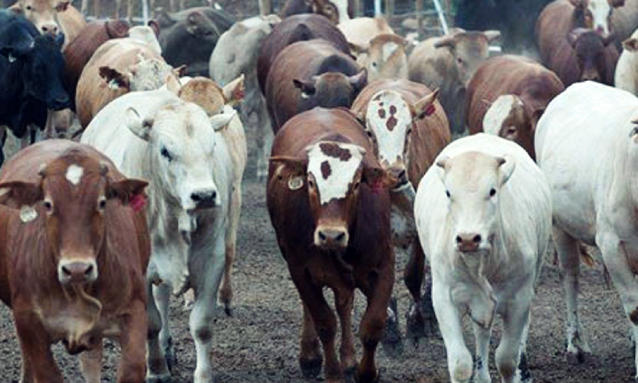
The Ministry of Lands and Agriculture said on September 4 that suspected FMD cases had been detected at several crushes in the Oodi and Mochudi extension areas. While investigations continue, the government has prohibited livestock movements in Disease Control Zone 11, except within the designated containment area, and imposed additional restrictions in Zones 3, 8, 9 and 10.
Under the revised movement controls, livestock movements remain subject to animal identification, traceability, veterinary checks and other disease-control requirements. BAITS provides authorities with livestock registration and ownership records and supports the management of movements and other animal-health information.
The system allows veterinary authorities to verify an animal’s registered ownership and location and to support movement controls alongside vaccination records, quarantine measures and veterinary inspections.
Botswana has been strengthening the platform as part of its transition from BAITS2 to BAITS3, an upgraded livestock information system designed to improve animal registration and traceability.
BAITS3 also provides digital services through which livestock owners can register animals, record ownership transfers and arrivals, report deaths and update veterinary information. Farmers have been urged to keep livestock records current and ensure animals carry required identification, including ear tags and brands.
The digital system operates within Botswana’s broader FMD-control framework, which relies on zoning, vaccination, quarantine, surveillance and restrictions on animal movement. Lands and Agriculture Minister Edwin Dikoloti described livestock traceability as a primary defense against FMD in June, saying accurate animal identification helps authorities localise disease risks within specific control zones.
The World Organisation for Animal Health (WOAH) also recognizes animal identification, traceability and movement controls as components of Botswana’s disease-management system. On March 31, 2026, WOAH suspended the FMD-free-without-vaccination status of several Botswana disease-control zones following an outbreak in Barolong, Southern District.
The latest suspected cases underscore the importance of maintaining accurate livestock records as veterinary authorities seek to track animal populations and control movements during disease investigations.
Source: https://shorturl.at/rBBvF
By Cynthia Ebot Takang