
15 April 2026
Livestock movement restrictions imposed as slaughter operations are halted across key facilities.
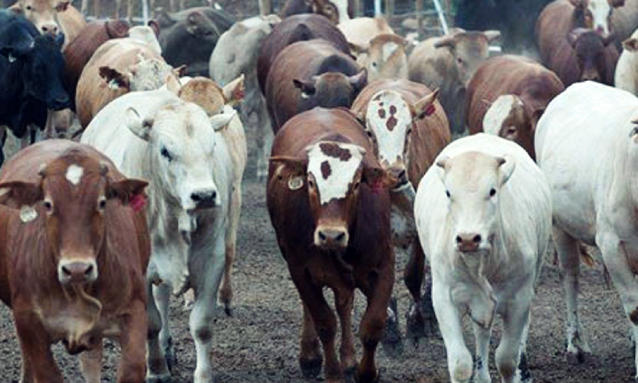
Acting Minister of Lands and Agriculture Dr Edwin Dikoloti has said that the recent Foot and Mouth Disease outbreak at the Ramatlabama Artificial Insemination Training Centre is believed to have originated from human activity linked to biosecurity breaches.
Speaking during a press briefing in Gaborone on April 13, he said early findings suggest the virus may have been introduced through contaminated clothing, equipment, or other materials handled by people working at the facility. Investigators have also ruled out recent movement of cattle into or out of the farm, further strengthening the view that direct animal-to-animal transmission was unlikely in this case. The outbreak was first identified on March 31 at the artificial insemination facility, where routine monitoring detected signs of infection among the herd.
Biosecurity under scrutiny
Dr Dikoloti noted that the incident occurred despite an investment of about US$9.4 million and roughly US$7.3 million (P100 million) in a protective biosecurity fence designed to secure the facility. He added that the site currently hosts 258 cattle, all of which are now under close monitoring following the detection of the disease. Initial clinical assessments showed that within a group of 64 cattle, two bulls presented symptoms consistent with Foot and Mouth Disease, prompting further testing and containment measures.
Movement restrictions and industry impact
Following confirmation of the outbreak in Zone 11, authorities imposed strict controls on livestock movement, leading to widespread disruptions across the sector. The restrictions also led to the shutdown of operations at the Botswana Meat Commission, affecting key supply chains serving domestic and export markets. Slaughter activities were suspended at the Lobatse processing plant and other affected abattoirs, including one facility that had only recently obtained approval for local slaughter operations.
Production and financial disruption
Despite operational setbacks, Dr Dikoloti reported that the Botswana Meat Commission had slaughtered 12,291 cattle prior to the suspension, with more than 95% of those animals originally intended for the European Union market.
He further stated that payments to farmers during the period reached approximately P156.6 million, equivalent to about US$11.4 million, reflecting the scale of commercial activity affected by the outbreak.
Source: https://shorturl.at/32TH6