
20 February 2026
Botswana is accelerating its copper, cobalt and lithium strategy as structural shifts in global diamond markets push the country to diversify exports and reinforce long-term economic resilience. For decades, diamonds underpinned Botswana’s growth model.
Today, changing global demand patterns and the expansion of lab-grown stones are reshaping pricing dynamics and moderating revenue growth. In response, policymakers are broadening the country’s mineral base to reduce reliance on a single commodity.
The Government of Botswana has prioritised copper, cobalt and lithium within a wider industrial strategy aimed at positioning the country along critical global supply chains. These minerals are essential for electric mobility, battery storage and renewable energy systems, aligning Botswana with long-term energy transition trends.
According to projections from the World Bank, demand for critical minerals is expected to rise substantially through 2040. Resource-rich economies with stable governance frameworks are therefore well placed to attract sustained investment inflows.
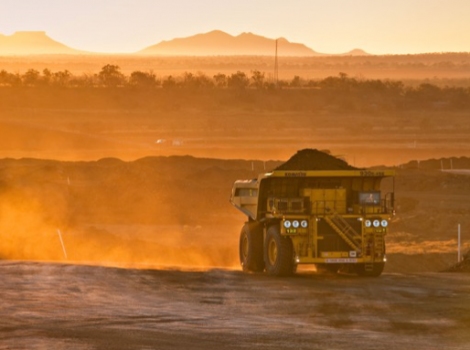
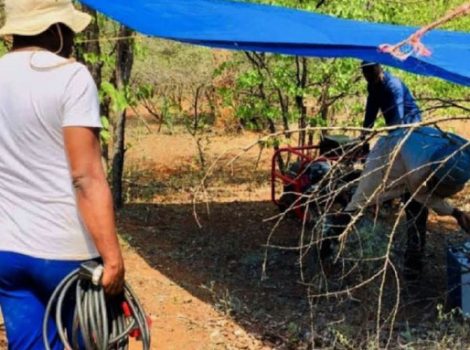
Botswana already hosts established copper operations in the Kalahari Copperbelt, where exploration activity has intensified in recent years. Regulatory reforms, improved licensing frameworks and infrastructure planning are supporting renewed investor confidence. At the same time, lithium prospects are drawing increasing attention from international mining groups seeking exposure to battery metals.
The International Monetary Fund has consistently underscored the importance of economic diversification in its Article IV consultations with Botswana. Expanding into battery minerals strengthens fiscal stability and reduces vulnerability to diamond-driven revenue cycles. Cobalt potential, though still emerging, complements regional value chains across Southern Africa. Deeper collaboration within the Southern African Development Community (SADC) could enhance cross-border processing capacity, logistics integration and shared infrastructure development.
Global commodity flows are increasingly shaped by the energy transition. Asian battery manufacturing hubs remain central to lithium and cobalt demand growth, positioning Botswana within expanding electric vehicle supply chains. Simultaneously, investor appetite from the Gulf region is turning toward strategic mining assets. Sovereign and private capital from the GCC is showing growing interest in securing upstream mineral access, creating diversified partnership opportunities for stable producers.
The convergence of Asian manufacturing demand and Gulf capital provides Botswana with a unique strategic window. By leveraging geopolitical neutrality, regulatory transparency and prudent macroeconomic management, the country can attract long-term funding aligned with industrial development objectives.
Diversification into copper, cobalt and lithium will not displace diamonds overnight. Rather, it gradually broadens Botswana’s export base, reduces fiscal volatility and strengthens foreign exchange buffers.
Local beneficiation and processing remain policy priorities, with the aim of capturing greater value, deepening industrial capacity and expanding skilled employment. Ultimately, Botswana’s copper, cobalt and lithium strategy represents a forward-looking adjustment to evolving global commodity markets. While diamonds remain central to the economy, critical minerals are emerging as a complementary pillar of sustainable and resilient growth.
Source: https://shorturl.at/F10ru